
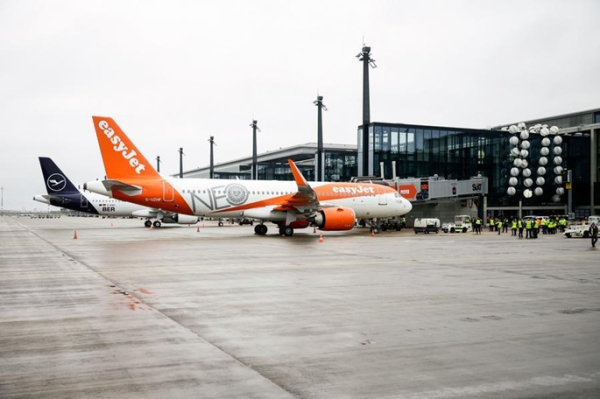

The European aviation sector is facing its most severe crisis since the 2020 pandemic, as the ongoing Middle East conflicts have pushed jet fuel prices to multi-year highs and forced major carriers to overhaul their strategies, reported Xinhua.
In its first-quarter earnings report published on Wednesday, Germany's flag carrier Lufthansa said it had hedged around 80 percent of its jet fuel requirements. Despite these measures, it expects fuel-related costs in 2026 to increase by 1.7 billion euros (2 billion U.S. dollars), nearly 24 percent higher than previously forecast, mainly driven by surging energy prices and disrupted global aviation markets.
The group said it plans to offset the additional burden through higher ticket revenues, network optimization and further cost-cutting measures in the coming quarters.
"The ongoing crisis in the Middle East, combined with rising fuel costs and operational constraints, poses enormous challenges for the global economy, the aviation industry and our company," Lufthansa CEO Carsten Spohr said.
According to the International Air Transport Association (IATA), jet fuel prices surged 106.6 percent year-on-year in March amid escalating geopolitical tensions. In Europe, prices have climbed to their highest since 2022.
IATA Director General Willie Walsh said that while the industry remains in better shape than during the 2020 pandemic lockdowns, the current fuel crisis has emerged as the most acute shock to global aviation since COVID-19.
According to a study released by Allianz Trade last week, Europe produces only half of the kerosene required by its domestic market, leaving the region's aviation sector dependent on imports for the remainder of its jet fuel needs.
Several European airlines have already introduced measures to cope with rising fuel costs and concerns over potential supply disruptions.
Air France-KLM said it plans to impose a surcharge of up to 50 euros (58.73 dollars) on long-haul flights, while EasyJet and Ryanair warned that fares could rise further if fuel markets remain tight. Lufthansa said it has already implemented ticket price increases.
Analysts at Allianz Trade painted an equally bleak picture, estimating that international airfares have already risen by between 5 percent and 15 percent.
Lufthansa is also evaluating stopover options for its long-haul routes to Asia and Africa as a contingency measure against potential refueling failures at destination airports. Highlighting the gravity of the supply crisis, Spohr remarked, "We can only fly if we have fuel."
- European carriers
- Fuel prices
Source: www.dailyfinland.fi
